Grasses Identification: A Guide to Understanding the Basics
Grasses are a ubiquitous part of our environment, with various species growing in lawns, parks, and natural areas. However, identifying the different types of grasses can be a daunting task, especially for those without a botanical background. With numerous species to choose from, each with its unique characteristics, understanding the basics of grasses identification is essential for gardeners, landscapers, and environmental enthusiasts. In this article, we will delve into the world of grasses identification, exploring the benefits, trade-offs, and realistic expectations of this complex topic.
What are Ornamental Grasses?
Ornamental grasses are a type of grass that is grown for its aesthetic value, rather than for its ability to provide a functional lawn. These grasses come in a variety of shapes, sizes, and colors, and are often used in landscaping to add texture and interest to gardens and public spaces. 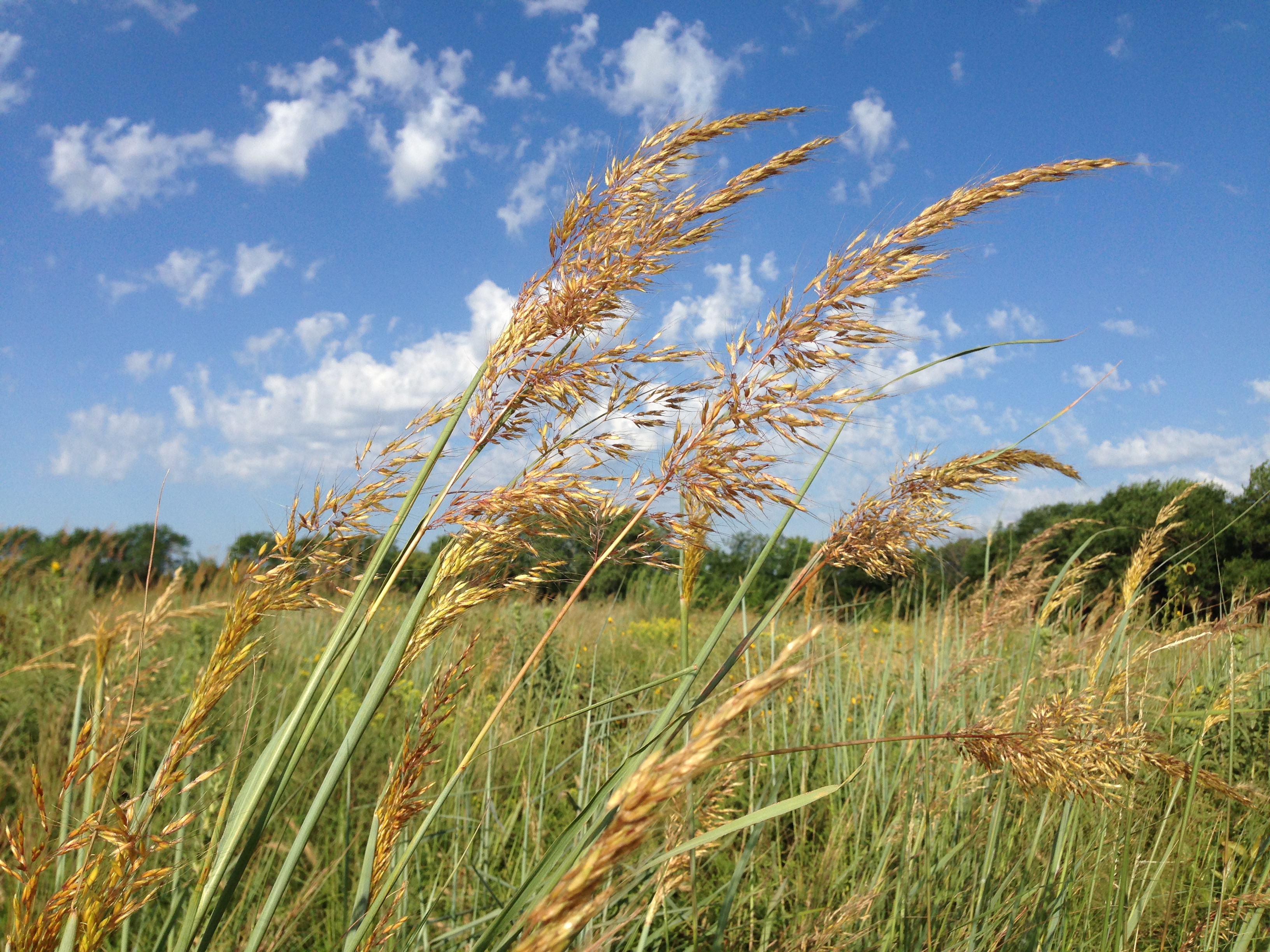
Ornamental grasses can be a great addition to any garden, providing a low-maintenance and visually appealing alternative to traditional lawn grasses. However, they can also be invasive and require regular maintenance to prevent them from taking over the garden. Understanding the characteristics of ornamental grasses is crucial for making informed decisions about their use in landscaping.
The Benefits of Grasses Identification
Identifying the different types of grasses can have numerous benefits, from improving lawn care and maintenance to enhancing environmental sustainability. By understanding the characteristics of different grass species, gardeners and landscapers can make informed decisions about which types of grass to plant, and how to care for them. 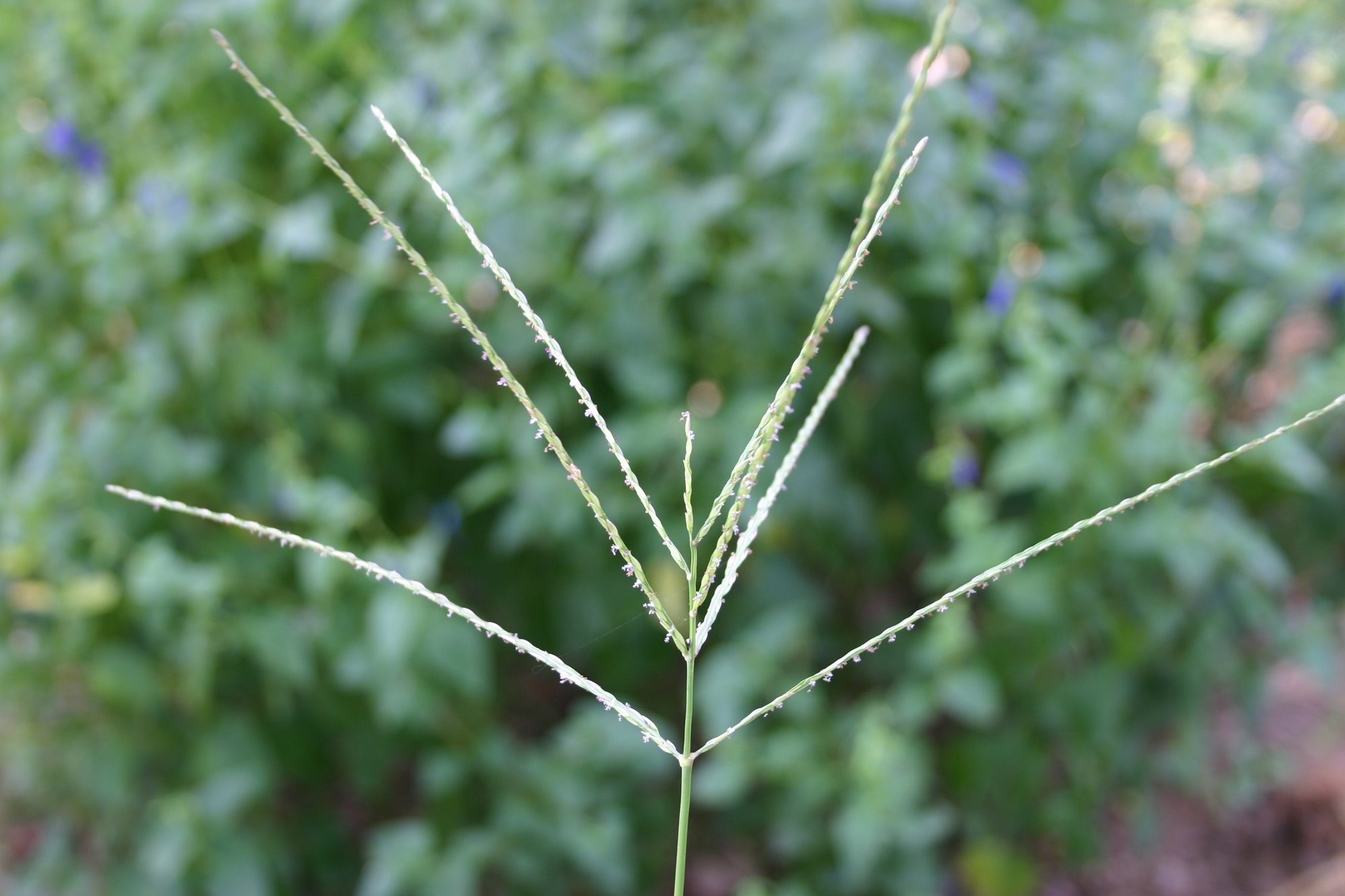
Grasses identification can also help to prevent the spread of invasive species, which can outcompete native grasses and cause environmental harm. By understanding the characteristics of invasive grasses, gardeners and landscapers can take steps to prevent their spread, and promote the growth of native grass species.
The Trade-Offs of Grasses Identification
While grasses identification can have numerous benefits, it also requires a significant amount of time and effort. Identifying the different types of grasses can be a complex and nuanced process, requiring a deep understanding of botanical terminology and characteristics. Additionally, the process of identification can be hindered by factors such as the time of year, weather conditions, and the availability of reference materials.
Furthermore, the process of grasses identification can also be limited by the availability of resources, such as expert knowledge, reference materials, and equipment. In some cases, the cost of hiring a professional to identify grass species can be prohibitively expensive, making it inaccessible to many individuals and organizations.
Realistic Expectations for Grasses Identification
Given the complexity and nuance of grasses identification, it is essential to have realistic expectations about the process. While it is possible to learn about the different types of grasses and how to identify them, it is unlikely that individuals will become experts in the field without significant training and practice.
Additionally, the process of grasses identification is not always straightforward, and may require multiple attempts and consultations with experts before a definitive identification can be made. By understanding the challenges and limitations of grasses identification, individuals can approach the process with a more realistic understanding of what to expect, and can take steps to ensure that they are adequately prepared for the task.
Ornamental Grasses Identification

Ornamental Grasses Identification
Ornamental Grasses Identification

Ornamental Grasses Identification
Ornamental Grasses Identification
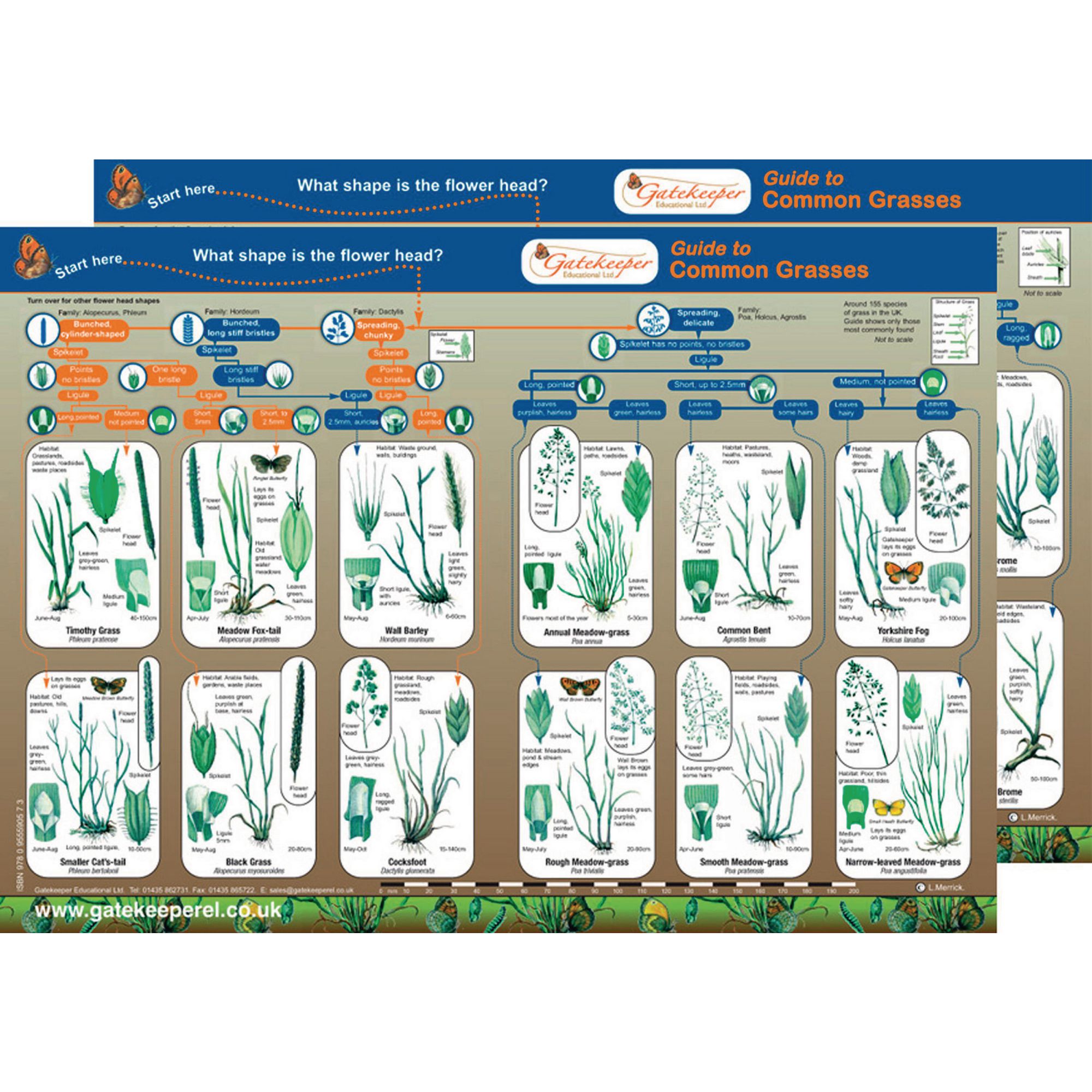
Ornamental Grasses Identification